Kids’ teeth go through a lot. Birthday cupcakes, after-school snacks and all the candy they can get their hands on. Plus, all the stalling when it’s time to brush.
Most families are doing their best, but even the best routines can slip, especially when a tired child decides the toothbrush is suddenly up for debate.
Building healthy dental habits for kids starts early, beginning with the very first tooth. A consistent oral hygiene routine can help protect against cavities, gum problems and other dental issues as children grow. Here’s what really happens when brushing gets skipped, how candy and sugar affect teeth and how to build simple routines your family can use.
What Happens If Your Kids Don’t Brush at Night?
When food and sugar are left on your child’s teeth at bedtime, they give the bacteria in plaque something to feed on. That matters even more overnight, when the mouth has fewer natural protections.
Saliva Slows Down While Kids Sleep
During the day, saliva helps wash away food particles and neutralize some of the acids that can damage tooth enamel. But saliva production naturally decreases during sleep.
That means when kids go to bed without brushing their teeth, plaque, food and sugar can sit on the teeth for hours with less saliva around to help clear them away.
Plaque Gets the Whole Night to Work
The bacteria in plaque feed on sugars and carbohydrates and produce acids that attack tooth enamel. When that happens repeatedly, enamel can weaken and cavities can begin to form.
Plaque that is not removed can also harden into tartar, which cannot be brushed away at home and requires professional dental cleaning. The American Dental Association recommends brushing twice a day with fluoride toothpaste to help remove plaque and protect teeth from decay.
Some warning signs parents may notice:
- Strong morning breath
- Teeth that feel fuzzy or coated
- Red, swollen or puffy gums
- Chalky white spots near the gumline, which can be an early sign of tooth decay
Is It Bad to Skip Brushing Your Teeth Once?
If your child skips brushing one night, there’s no need to worry. Cavities in kids develop over time, and one missed bedtime brushing is very different from regularly going to bed without brushing teeth.
Have your child brush thoroughly in the morning, then get back to twice a day that night. When it comes to your child’s oral hygiene, consistency matters much more than perfection. Just make sure you encourage the routine.
Why Healthy Habits Start With Baby Teeth
Baby teeth may be temporary, but they play an important role in your child’s development. The Centers for Disease Control and Prevention identifies cavities as the most common chronic disease of childhood, and untreated tooth decay can cause pain, infection and problems with eating, speaking and learning.
Healthy baby teeth help children:
- Hold space for permanent teeth as they develop
- Chew comfortably and get the nutrition they need
- Develop clear speech
- Avoid pain and infections that can interfere with school, activities and sleep
Keep in mind: Decay in a baby tooth can also affect the permanent tooth developing underneath it.
That is why children’s dental health starts long before adult teeth come in. No family gets every brushing session perfect, and one missed night is not what causes the problem. What matters most is the routine. Plus, the healthy dental habits kids practice when they are young are more likely to become habits they carry into their teen years and beyond.
Candy, Sugar and Your Child’s Teeth
There’s no way around it. Treats are part of being a kid, whether it’s Halloween candy, school treats or popcorn and sweets on movie night. The goal is not to ban sugar completely. It’s to understand how candy and teeth interact, allowing you to make a few choices that lower the risk of cavities.
How often and how long sugar stays on the teeth can matter just as much as how much sugar kids eat. Frequent snacking gives cavity-causing bacteria more opportunities to produce acid and attack tooth enamel.
The Candies That Cause the Most Trouble
When it comes to the worst candy for teeth, the biggest concerns are treats that stick around for a long time or add extra acid to the mouth. This directly causes decay.
- Sticky and chewy candy: Caramels, taffy, gummies and fruit snacks can cling to the grooves of back teeth.
- Hard candy and lollipops: These dissolve slowly, keeping teeth exposed to sugar for longer periods.
- Sour candy: Sour treats contain acids that can weaken tooth enamel even before the sugar comes into play.
Easier Picks for Little Teeth
There really isn’t a “healthy” candy, but some choices are easier on teeth than others. Plain chocolate melts and clears away more quickly than sticky candy, making it one of the better candy options for teeth. Cheese, fresh fruit and age-appropriate nuts can also make good everyday snack swaps.
For older children who can chew gum safely, sugar-free gum may help stimulate saliva, which helps rinse the mouth and neutralize acids.
Timing Treats and Watching for Hidden Sugar
Try serving sweets as treats following a meal instead of letting kids graze on them throughout the afternoon. Afterward, drinking water can help rinse away some of the sugar and acids left behind. And once bedtime brushing is finished, stick with water until morning.
It also helps to watch for sugar in foods and drinks that may not feel like candy, including juice, sports drinks, flavored milk, gummy vitamins and some crackers. Frequent exposure to sugary drinks and snacks can raise the risk of tooth decay.
For toddlers and little ones, avoid putting them to bed with a bottle containing milk, formula or juice. Letting teeth sit in sugary liquids overnight can contribute to early childhood caries (ECC), sometimes called “baby bottle tooth decay.” If your child needs a bottle or cup at bedtime, offer water instead.
How to Build a Bedtime Brushing Routine That Sticks
We said it before, but it’s worth saying again: Kids should brush twice a day for two minutes with fluoride toothpaste. And while both brushes matter, making the bedtime brush non-negotiable helps clear away the food, sugar and plaque that build up during the day.
The good news is that getting kids to brush their teeth usually gets easier when brushing becomes part of a predictable routine, rather than a nightly negotiation.
Brushing by Age
Good brushing habits change as kids grow:
- Before the first tooth: Gently wipe your baby’s gums with a clean, soft, damp cloth.
- First tooth to age 3: Brush twice a day with a soft, child-sized toothbrush and a smear of fluoride toothpaste about the size of a grain of rice.
- Ages 3 to 6: Use a pea-sized amount of fluoride toothpaste and supervise brushing to make sure your child uses the right amount and spits out the excess toothpaste.
- School age: Kids can gradually take more responsibility for brushing, but many still need a parent to check their work or help them finish until around age 7 or 8.
- When teeth begin touching: Start cleaning between them daily with floss or another dentist-recommended tool.
Tips That Make Bedtime Brushing Easier
Wondering how to get kids to brush their teeth without turning bedtime into a battle? A little consistency can go a long way.
- Keep the same order every night, such as bath, pajamas, brush, then story.
- Use a two-minute song or timer to make brushing time easier to track.
- Let kids choose their toothbrush or a fluoride toothpaste flavor they like.
- Brush your own teeth alongside your child so they can follow your example.
- Take turns: Let your child brush first, then have a parent finish.
- Use stickers, praise or an extra bedtime story as a reward instead of sweets.
It will not be perfect brushing from day one. Focus on building a routine kids know, expect and eventually learn to handle on their own. It’s proven these habits remain well into adulthood when instilled early.
When Should Kids Start Seeing the Dentist?
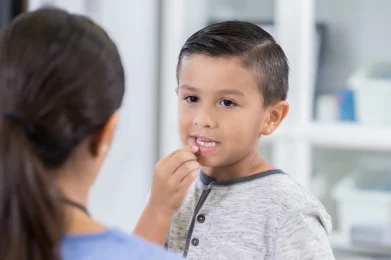
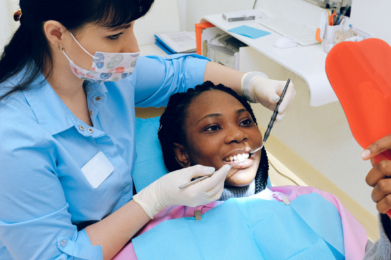
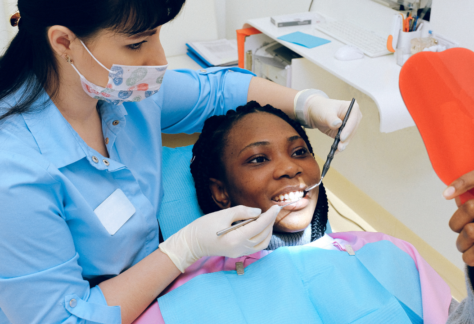
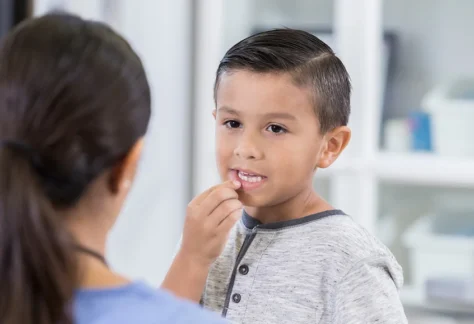
Your child should see a dentist when their first tooth appears or by their first birthday at the latest. That matches guidance from the American Academy of Pediatric Dentistry and helps establish a dental home early. This will ensure the dentist becomes a familiar place for regular checkups, preventive care and questions as your child grows, preventing it from becoming something scary.
Preventive dental visits may include:
- Exams and gentle cleanings
- Fluoride treatments to help strengthen tooth enamel
- Sealants on back teeth to help protect hard-to-reach grooves from decay
How often your child needs a dental checkup depends on their individual needs and risk for cavities. Many children are seen about every six months, although your dentist may recommend a different schedule.
At Valleywise Health, parents are welcome to stay with their child during visits, and our pediatric dental team shares practical tips about brushing, nutrition and cavity prevention along the way.
Learn more about Pediatric Dental Services and schedule an appointment.
Helping Kids Build Healthy Smiles at Valleywise Health
At Valleywise Health, our pediatric dental team cares for children from their first tooth through their teen years. We use gentle care, kid-friendly communication and calming techniques to help children feel comfortable, especially with those who may have big feelings about visiting the dentist.
Our pediatric dental services include:
- Exams and cleanings
- Fluoride treatments
- Sealants
- Fillings and crowns
- Space maintainers
- Mouth guards
- Same-day emergency dental care for urgent needs
Pediatric dental care is available at Valleywise Community Health Center – Chandler and Valleywise Comprehensive Health Center – Phoenix.
For patients with AHCCCS who are under age 21, most dental treatment is fully covered. If you have questions about costs or insurance, Valleywise Health Financial Counselors can help you explore available options, including the sliding fee scale.
Learn more about Billing and Insurance.
Ready to help your child build a healthier smile? Book your child’s dental visit with Valleywise Health. You can also call 1-833-VLLYWSE (1-833-855-9973) to schedule an appointment.
Happy brushing!