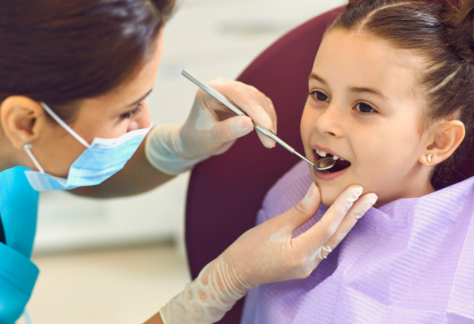


When most people think about oral health, they think about a bright smile, fresh breath, and avoiding cavities, but your mouth is much more than that. It’s a window into your overall health, and often one of the first places signs of trouble appear.
Research has shown a strong connection between oral health and conditions that affect the whole body, including heart disease, diabetes, respiratory infections, and more. Here’s what you need to know about your oral health and how to protect yourself.
Why Is Oral Health Important?
Your mouth is the entry point to both your digestive and respiratory tracts. Like the rest of your body, it’s full of bacteria, most of it being harmless. Good daily hygiene and your body’s natural defenses, like saliva, usually keep that bacteria under control.
But when oral hygiene slips, bacteria can multiply beyond what your body can manage, and that’s when problems start – first in your mouth, and potentially far beyond it:
- Harmful bacteria can enter the bloodstream through inflamed or bleeding gums
- Chronic inflammation in the mouth can contribute to inflammation throughout the body
- Oral bacteria can be inhaled into the lungs or travel to other organs
Your mouth can also act as an early warning system. Many systemic conditions (including diabetes) often show their first visible signs in the mouth, which is one more reason regular dental visits matter.
What Can Poor Oral Hygiene Result In?
Poor oral hygiene sets off a chain reaction. When teeth aren’t brushed and flossed regularly, plaque (a sticky film of bacteria) builds up on the teeth. Over time, plaque hardens into tartar, which can only be removed at a dentist’s office.
Left unchecked, this leads to problems in the mouth first:
- Tooth decay and cavities from acid-producing bacteria breaking down enamel
- Bad breath caused by bacterial buildup
- Gingivitis: early-stage gum disease marked by red, swollen, or bleeding gums
- Periodontal disease: advanced gum infection that causes inflammation and bone loss around teeth
- Tooth loss in severe cases
But the effects don’t stop at your mouth. Periodontal disease creates chronic inflammation and gives oral bacteria a direct pathway into your bloodstream, and that’s where oral health becomes whole-body health.
Health Conditions Linked to Poor Oral Health
Research continues to uncover connections between oral health and serious health conditions throughout the body. Here are the most significant ones:
Heart Disease
Heart disease is the leading cause of death in the United States and your oral health can play a role in your risk. The inflammation and infections caused by oral bacteria have been linked to cardiovascular disease, clogged arteries, and stroke. Studies show that people with periodontal disease have significantly higher rates of atherosclerosis, the buildup of plaque inside the blood vessels that carry blood from your heart to the rest of your body.
Diabetes
The connection between oral health and diabetes runs in both directions:
- Diabetes increases your risk of gum disease: It weakens the body’s ability to fight infection, making gum disease more common and more severe in people with diabetes.
- Gum disease makes diabetes harder to manage: People with periodontal disease have a harder time controlling their blood sugar levels.
The good news is that this works in reverse, too. Regular dental care and treating gum disease can actually help improve blood sugar control.
Respiratory Infections
The bacteria in your mouth doesn’t always stay there. Oral bacteria can be inhaled into the lungs, where they can contribute to pneumonia and other respiratory diseases. This risk is especially significant for older adults and people with weakened immune systems.
Pregnancy Complications
Oral health matters for expecting mothers, too. Periodontitis has been linked to premature birth and low birth weight. Hormonal changes during pregnancy can also make gums more vulnerable to inflammation and infection, making dental care an important part of prenatal health.
Dementia and Cognitive Decline
Emerging research suggests a connection between gum disease and cognitive health. When oral bacteria enter the bloodstream, they may travel to the brain, and studies have linked chronic periodontal disease with an increased risk of memory loss and dementia. While research is ongoing, it’s one more reason to take gum health seriously at every age.
Oral Cancer
Poor oral health is considered a risk factor for oral cancer. Regular dental visits are often when oral cancers are caught early, as your dentist screens for warning signs you may not notice yourself. Early detection makes a significant difference in outcomes, which is why annual visits are so important.
How Does Smoking Affect Oral Health?
Smoking is one of the most damaging things you can do to your oral health and it compounds nearly every risk above. Tobacco use:
- Significantly increases your risk of gum disease and tooth loss
- Slows healing after dental procedures or injury
- Stains teeth and causes persistent bad breath
- Raises your risk of oral cancer
Smoking also does something particularly dangerous: it masks the warning signs. Because smoking reduces blood flow to the gums, smokers often don’t experience the bleeding that signals gum disease, which means the damage can progress quietly until it becomes severe. If you smoke, regular dental checkups are even more important.
How to Improve and Protect Your Oral Health
Protecting your overall health starts with protecting your mouth and the fundamentals are simple:
- Brush twice a day with fluoride toothpaste, for two minutes each time
- Floss daily to remove plaque and food particles between teeth
- Limit sugary foods and drinks, which feed the bacteria that cause decay
- Stay hydrated: water helps wash away food particles and supports saliva production
- Avoid tobacco in all forms
- See a dentist regularly for cleanings and checkups; typically every six months
Gum disease and other oral health problems often develop silently, and regular visits catch them before they become serious for your mouth and your whole body.
Protect Your Smile and Your Health with Valleywise Health
Your oral health and your overall health are deeply connected, and caring for one means caring for both. At Valleywise Health, we treat the whole person, with primary care and preventive services that help you stay ahead of health problems before they start.
Our services include:
- Primary care and preventive health
- Dental services
- Chronic disease management
- Prenatal and women’s health care
- Health screenings and lab work
Book an appointment at your nearest Valleywise Health location today.