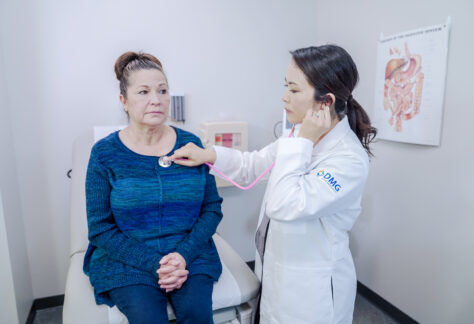


Heart health screenings are essential tools in the prevention and early detection of cardiovascular disease, one of the leading causes of death worldwide. These screenings help identify risk factors and potential heart problems before they become life-threatening.
Regular heart screening, recommended by both cardiologists and primary care providers, can significantly reduce the risk of heart attacks, stroke, and other serious health issues.
What is a Heart Screening?
A heart screening involves a series of tests designed to assess the overall health of your heart and blood vessels. These tests evaluate various aspects of cardiac health, including blood flow, cholesterol levels, blood pressure, and the condition of your arteries. Screening for heart disease is crucial because many heart conditions develop silently, without noticeable symptoms, until they reach a critical stage.
Types of Cardiac Screening Tests
There are several cardiac screening tests available, each serving a specific purpose in assessing heart health:
Blood Test
A routine blood test can measure cholesterol levels, blood glucose, and other markers that indicate your risk for cardiovascular disease. High cholesterol and blood glucose levels are significant risk factors for artery disease and heart attacks.
Blood Pressure Measurement
High blood pressure, often called the “silent killer,” can damage blood vessels and lead to heart failure if left untreated. Regular monitoring is a vital part of heart health screening.
Calcium Scoring CT Scan
This test measures the amount of calcium in the walls of your coronary arteries. A high calcium score suggests a higher risk of coronary artery disease and can help guide treatment decisions.
Stress Tests
Stress tests assess how well your heart functions during physical activity. They can reveal problems with blood flow within the heart and help predict the likelihood of heart attacks.
Echocardiogram
An echocardiogram uses ultrasound to create images of the heart, allowing doctors to see the heart’s structure and check for issues like heart valve problems or heart failure.
Why Regular Heart Screenings are Essential
Heart screenings are crucial for early detection and prevention of heart disease. Regular cardiac health screenings can help detect conditions such as high blood pressure, high cholesterol, and other risk factors before they lead to more severe problems. Early detection through screening tests can significantly improve treatment outcomes and prevent complications like heart attacks and strokes.
Who Should Get a Heart Screening?
Heart health screenings are recommended for adults, especially those with risk factors for cardiovascular disease. These risk factors include:
- Family History: A family history of heart disease increases your risk of developing similar issues.
- High Cholesterol: Elevated cholesterol levels can lead to plaque buildup in the arteries, increasing the risk of artery disease and heart attacks.
- High Blood Pressure: Consistently high blood pressure can damage the arteries and lead to heart failure.
- Physical Inactivity: Lack of regular physical activity is a significant risk factor for heart disease.
- Smoking and Alcohol Use: Both smoking and excessive alcohol consumption can damage the heart and blood vessels, increasing the risk of cardiovascular problems.
Even if you feel healthy, it’s essential to undergo regular heart screenings, particularly if you have any of the above risk factors. Early detection can prevent the progression of heart disease and improve your overall quality of life.
The Role of Primary Care in Heart Health
Primary care providers are often the first to recommend heart screenings, especially during routine check-ups. They assess your risk factors and may order initial tests like blood pressure measurements and cholesterol tests. If these tests indicate a potential problem, your primary care doctor may refer you to a cardiologist for more specialized cardiac screening tests, such as a calcium scoring CT scan or stress tests.
Cardiologists play a critical role in managing and monitoring heart health. They provide comprehensive care, including advanced diagnostic testing and personalized treatment plans, to manage heart disease and reduce the risk of serious complications.
Take Control of Your Heart Health
Maintaining a healthy heart is a lifelong commitment that involves regular screenings, a healthy diet, regular physical activity, and managing stress. Heart and vascular screenings are key components of this commitment, helping to detect issues early and prevent serious cardiovascular diseases.
Valleywise Health is dedicated to providing comprehensive heart health services, including screenings, diagnosis, and treatment. Contact us today to schedule your next heart screening and take the first step towards a healthier heart.